Understanding Crane Safety Regulations In The Northern Territory
Safety is always the first consideration when a crane arrives on site. Whether lifting structural steel, placing heavy equipment or supporting shutdown maintenance work, every lift involves multiple risks that must be carefully managed. For teams searching for crane hire, understanding local safety regulations isn’t just helpful — it shapes how projects are planned, staffed and carried out. In the Northern Territory, crane safety rules are detailed and specific, ensuring operators, contractors and project managers have clear guidance to prevent incidents and maintain safe worksites. This article breaks down those regulations into practical, easy-to-follow insights that support safe and compliant lifting operations.
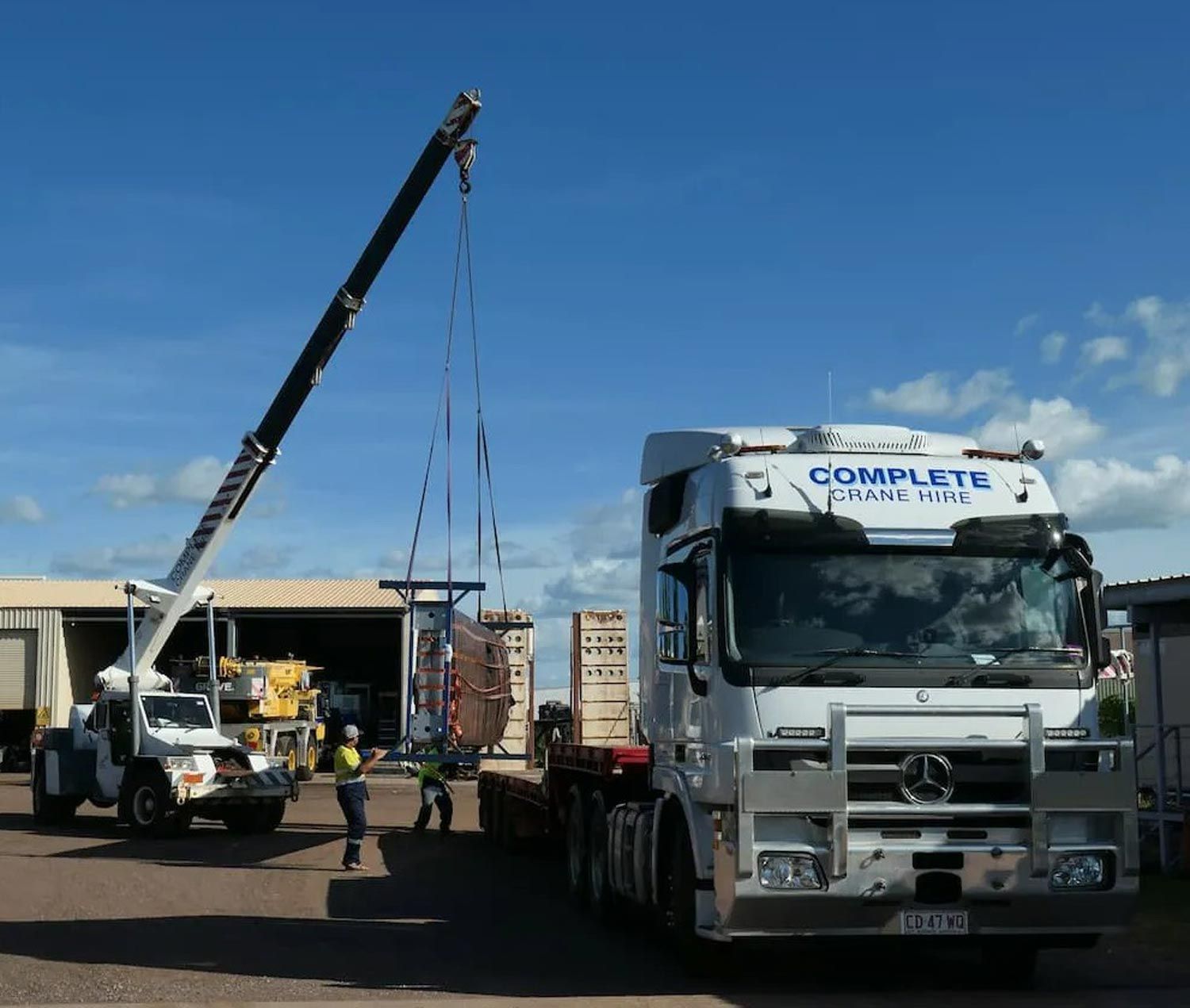
Why Safety Regulations Matter Before Any Lift Begins
Crane safety rules in the NT focus on eliminating hazards before lifting equipment ever leaves the ground. Each project requires careful planning because cranes operate in constantly changing environments — from construction sites to industrial facilities. The regulations help teams identify risks early and set the foundation for safer lifts. Before a crane is booked, contractors typically assess the job site, load type and the lift sequence. These initial insights guide the equipment selection and support safe work planning.
- Safety laws help reduce the likelihood of lifting incidents
- Early planning improves time management and job coordination
- Crane hire companies assist with documentation and compliance requirements
When everyone understands how the rules apply, projects move more smoothly and with fewer disruptions.
Licensing and Operator Competency: Who’s Legally Allowed to Run the Crane?
Crane operators must meet strict licensing requirements before they can work legally in the NT. These licences fall under high-risk work categories, and each crane type requires a relevant licence class. Regulations ensure only operators with demonstrated competency can control lifting machinery. When contractors are seeking crane hire, confirming operator credentials is a basic safety step. Hire companies supply operators who hold the correct licences and maintain up-to-date documentation.
- Operators must hold NT-recognised high-risk work licences
- Each licence class corresponds to a different crane type
- Contractors should confirm credentials before work begins
This helps crews stay compliant and maintains safe lifting standards across job sites.
Routine Crane Inspections: The Safety Step No Project Can Skip
Ongoing inspections are a fundamental part of crane safety in the Northern Territory. Regulations require both daily pre-start checks and structured periodic inspections carried out by certified technicians. These checks verify that the crane’s mechanical systems, hydraulics and safety technology meet operational standards. Crane hire providers carry out thorough inspections before equipment is deployed. Onsite crews continue this process with pre-start checks each shift, reviewing controls, indicators and load-handling gear.
- Pre-start checks identify immediate hazards
- Periodic inspections address wear, fatigue or mechanical faults
- Records must be kept to demonstrate compliance
Consistent inspection routines significantly reduce the chances of unexpected failures during lifts.
Maintenance Standards That Keep Cranes Safe and Reliable
Safety regulations outline specific maintenance responsibilities for crane owners and operators. These rules ensure machinery remains in reliable condition, capable of handling complex and heavy lifts without compromising safety. Maintenance schedules typically include servicing hydraulic systems, brakes, hoists and electrical components. Hire companies follow structured servicing intervals and detailed maintenance logs to meet NT guidelines.
- Maintenance covers mechanical, hydraulic and electrical systems
- Servicing intervals support consistent crane performance
- Preventative maintenance helps crews avoid costly delays
A well-maintained crane contributes to smoother operations and strengthens onsite compliance.
Safe Work Method Statements (SWMS) and Lift Planning Done Right
A Safe Work Method Statement is mandatory for high-risk activities such as crane operations. Regulations require project teams to document hazards, control measures and step-by-step procedures for each lifting task. SWMS documents support clear communication and help identify risks before the crane arrives onsite. Lift planning often involves site assessments, equipment selection and coordination with riggers, spotters and supervisors. This collaborative effort shapes a safe lifting strategy and reduces unexpected complications.
- SWMS describe hazards and planned control measures
- Planning supports safe load movement and crew positioning
- Clear communication ensures every team member understands their role
Comprehensive documentation simplifies compliance and supports safer lifts from start to finish.
Load Limits, Ground Conditions and Choosing the Right Crane for the Job
NT regulations require crane selection to be based on accurate load calculations and site conditions. Choosing the wrong crane can lead to overload, instability or lift failure, so planning teams must analyse the job thoroughly. Ground stability, weather exposure, load dimensions and lift radius shape the decision. The goal is to match crane capacity with the demands of the lift, ensuring the crane operates within its allowed limits.
- Load weight and lift radius determine crane capacity needs
- Ground stability affects setup and outrigger placement
- Environmental factors such as wind must be considered
When cranes are selected carefully, teams reduce risks and support compliant lifting operations.
What Happens When Regulations Are Ignored: Risks, Delays and Penalties
Non-compliance can create serious consequences for workers, companies and project timelines. NT laws outline penalties for failing to meet safety requirements, ranging from fines to project shutdowns. Beyond legal implications, ignoring safety rules increases the risk of equipment damage, site accidents or operational delays. Contractors and project managers prioritise compliant crane operations to avoid legal liability and protect workers onsite.
- Non-compliance can lead to fines and enforcement action
- Unsafe lifting increases the likelihood of accidents
- Project delays may occur if equipment or worksites are deemed unsafe
Understanding and following safety regulations safeguards both people and projects.
How Crane Hire Companies Support Safe, Compliant Operations Onsite
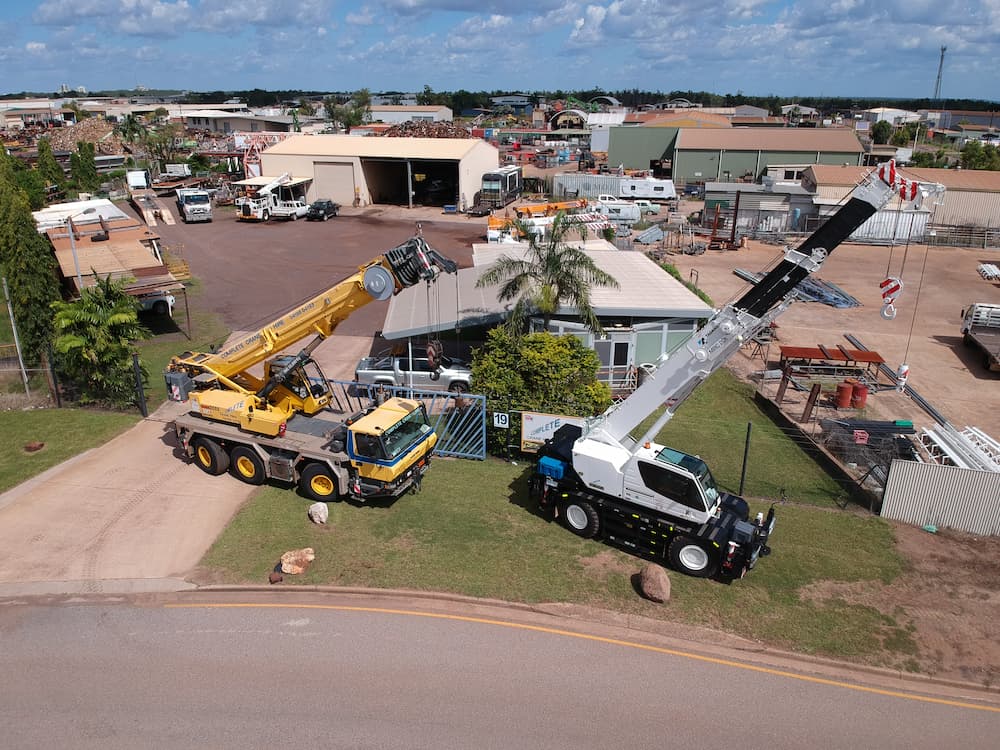
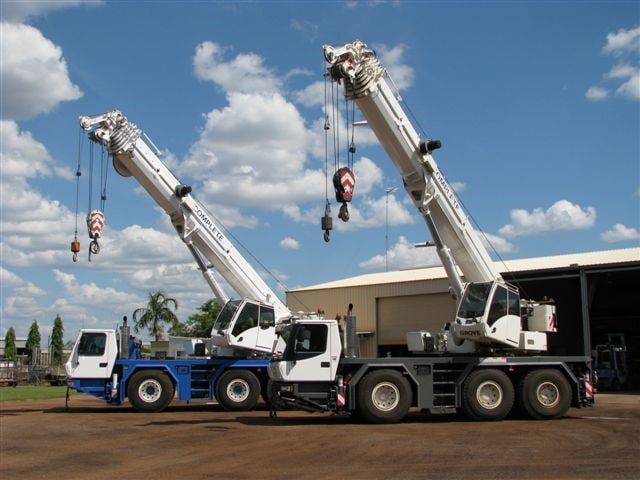
Crane hire providers play a major role in ensuring compliance with NT safety regulations. They supply well-maintained machinery, qualified operators and essential safety documentation. Hire teams also collaborate with contractors during planning and onsite coordination. Many companies assist with lift planning, provide technical advice and ensure equipment is matched to the demands of the job. This support helps contractors manage risks while meeting regulatory requirements.
- Hire companies deliver compliant, serviced equipment
- Operators provide onsite guidance and communication support
- Collaboration with project managers helps maintain safe lifting workflows
With the right partner, safe crane operations become far more manageable for busy construction teams.
Book With Us Today
At Complete Crane Hire (NT) Pty Ltd, our team works with contractors, project managers and site supervisors to support safe, compliant lifting operations throughout the region. The Northern Territory’s conditions can bring unique challenges, and understanding local crane safety regulations helps projects run more smoothly and confidently. If you’re seeking reliable crane hire in Darwin, we’re here to help you plan your lifts, choose the right equipment and maintain compliance every step of the way. Visit https://www.comcrane.com.au/ to book a crane or discuss your lifting requirements.