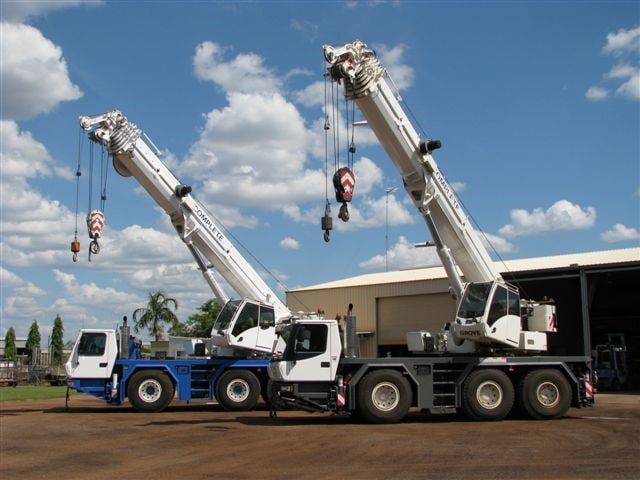
What Site Preparation Do You Need Before Crane Delivery In Darwin?
Crane operations don’t begin when the crane arrives; they start with thorough site preparation. Before any lifting can take place, your site must be ready to safely support the crane, its crew and the load. Without proper groundwork, even a well-organised job can face costly delays, safety risks or unnecessary complications, especially when arranging crane hire in Darwin, where weather and terrain can add extra challenges.
Preparing your site correctly is essential for safety and efficiency. With the right planning, clear access and stability checks, you can ensure smooth crane delivery and setup. Proper preparation helps prevent disruptions and keeps your project running safely and on schedule from the very first lift.
1. Confirm Clear Site Access
Before a crane reaches your worksite, it’s important to ensure there’s adequate and safe access for transport vehicles and crane components. Cranes are large, heavy pieces of equipment that need sufficient space and clearance to move through entry points and into staging areas without obstruction.
Check for:
- Narrow driveways, tight turns or soft shoulders that may restrict movement
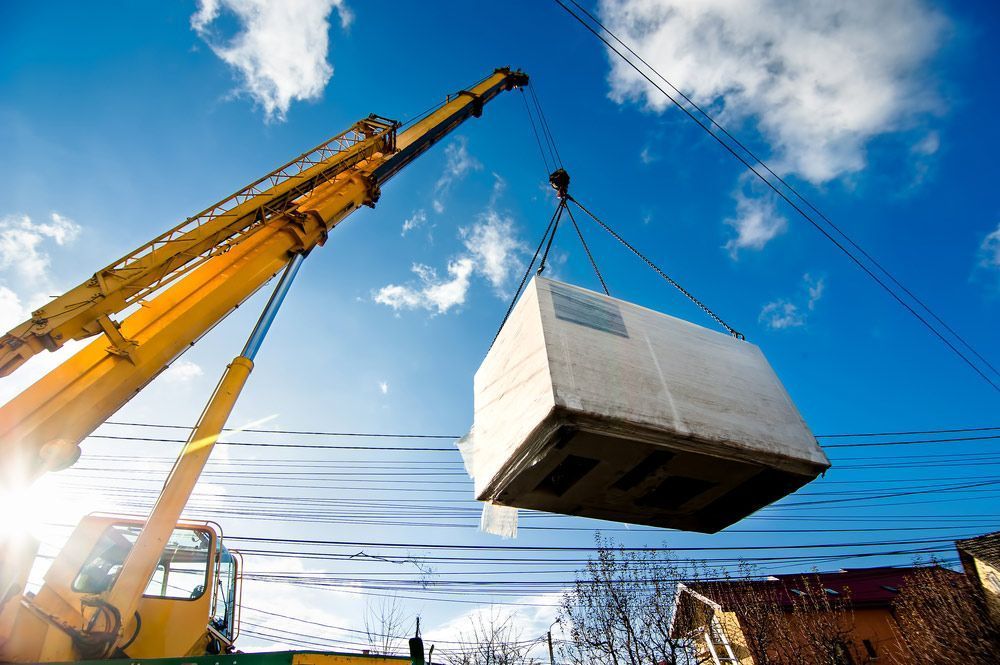
- Low-hanging branches, signage or overhead wires
- Obstacles such as parked vehicles, bins or temporary fencing
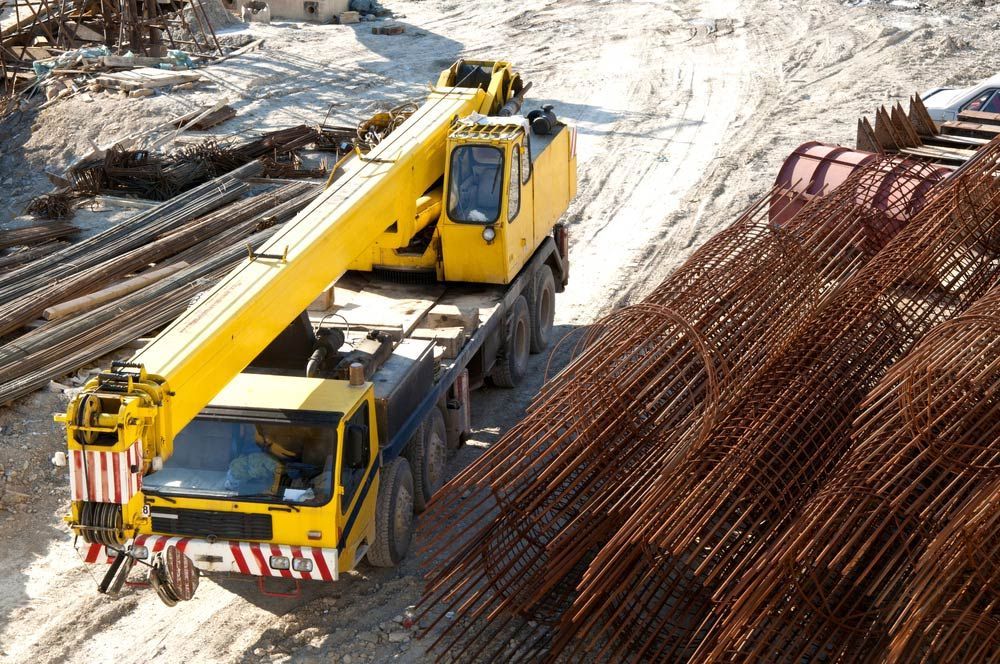
- Adequate hardstand for delivery vehicles & crane setup
Clear, well-prepared access pathways enable operators to position equipment safely and efficiently, thereby preventing damage, delays and site congestion.
2. Assess Ground Conditions & Stability
Ground stability is one of the most critical safety factors in setting up a crane. Cranes apply significant pressure through their outriggers and wheels, meaning even minor ground weakness can lead to instability.
Before delivery:
- Conduct a ground load-bearing assessment where possible
- Ensure the surface is compacted & level
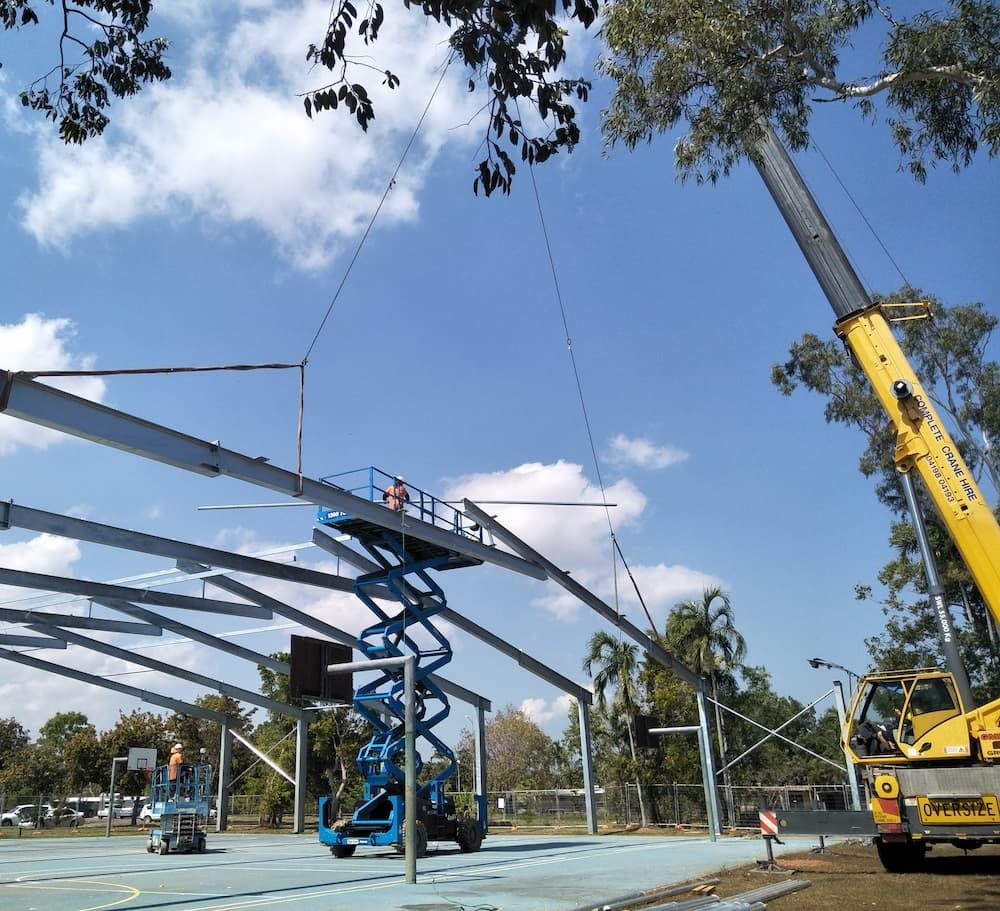
- Use steel plates or timber mats on soft or uneven areas
- Factor in weather-related changes to soil moisture or drainage
Proper preparation prevents cranes from sinking, shifting or tilting during lifts, ensuring safety and stability throughout the operation.
3. Plan for Weather & Seasonal Conditions
Weather plays a major role in crane operations, influencing everything from ground stability to operator safety. High winds, heavy rain and extreme heat can all disrupt lifting schedules and increase risks on-site. It’s essential to prepare according to the forecast and understand seasonal weather patterns that may affect operations.
To manage weather impacts:
- Monitor wind speeds in the days leading up to the scheduled lift
- Avoid working during wet or stormy periods where possible
- Schedule lifting during early hours to reduce heat stress
- Plan for adequate drainage if heavy rainfall is expected
Proper planning helps minimise downtime, protect equipment and keep your lift compliant with safety standards.
4. Identify & Remove Overhead Obstructions
Cranes need vertical and horizontal space to operate safely, as any obstruction can interfere with the crane’s boom or load path. Power lines, tree branches, building overhangs and nearby structures can all pose serious hazards if not identified and managed early in the planning process.
Preparation should include:
- Mapping out the crane’s swing radius & height clearance
- Liaising with utility providers to isolate or temporarily relocate lines
- Trimming trees or removing unnecessary structures in the work zone
- Ensuring clear communication with operators about no-go zones
Addressing these risks before delivery prevents last-minute complications, keeping the lifting process safe, efficient and on schedule.
5. Arrange Necessary Permits & Notifications
Crane operations often require specific permits or approvals, depending on the type of job and its location. These might include road occupancy permits, council notifications or coordination with utility providers. Securing the right documentation ensures your project meets local regulations and avoids unexpected delays or penalties.
Before the crane arrives:
- Confirm if your job requires local council or road authority approval
- Arrange traffic management if the crane will operate near public areas
- Notify relevant stakeholders, including neighbours or nearby businesses
- Check with your crane hire provider for help with paperwork & permit applications
Obtaining approvals early keeps the project compliant, organised and running smoothly from start to finish.
6. Prepare the Setup Area & Lifting Zone
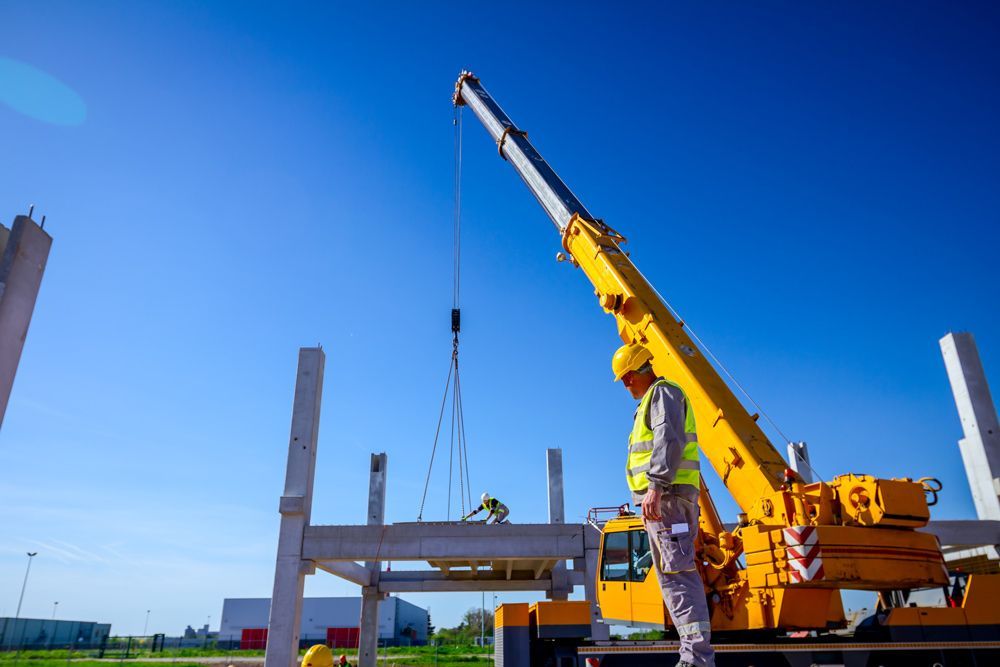
The setup area must be flat, stable, and spacious enough to safely accommodate the crane and any required support equipment. It’s also essential to clearly define and secure the lifting zone to prevent unauthorised access or interference during operations.
Preparation tips:
- Clear debris, tools & loose materials from the work area
- Establish exclusion zones with barriers or fencing
- Designate parking & staging areas for support vehicles
- Ensure adequate lighting & visibility when working early or late
A clean, well-organised setup area allows crews to work efficiently, safely and without interruption.
7. Confirm Load & Lift Plan Requirements
Before delivery, ensure the lifting plan is complete and accurate. The plan outlines the load weight, radius, height and any rigging gear needed for the job.
Checklist items include:
- Verifying load weights & dimensions
- Identifying lifting points & rigging requirements
- Reviewing the crane’s capacity for the required radius
- Communicating the lift sequence & coordination with all personnel
This planning ensures that the chosen crane is suitable for the task and prevents unexpected load-handling issues.
8. Coordinate with Your Crane Hire Provider
Good communication between you and your crane hire team is vital. A professional provider can offer site inspections, risk assessments and tailored advice to suit your project’s needs.
When preparing, consider:
- Scheduling a pre-delivery site visit
- Sharing access maps, contact details & safety documentation
- Discussing any specific challenges, such as restricted access or weather risks
- Confirming delivery times & setup requirements
Open coordination ensures everyone understands the plan, saving time and reducing stress on lift day.
Get Expert Support for Your Next Crane Hire
At Complete Crane Hire, we recognise that every site presents its own unique set of challenges, ranging from unpredictable weather to complex terrain. Our experienced team provides professional crane hire in Darwin, along with expert advice to help you prepare your site for a safe, efficient lift. Whether you need a quick setup in an urban area or a detailed plan for a remote project, we’re here to help.
Visit https://www.comcrane.com.au/ to speak with our local team and organise your next crane hire. Proper preparation today means smoother, safer operations tomorrow.