How Much Does Crane Hire Cost In Darwin? (2026 Price Guide)
Crane hire is one of those services where the question seems simple on the surface, yet the answer quickly becomes more layered once a project is scoped properly. A builder pricing a steel install, a site supervisor planning a tilt panel lift or a procurement officer budgeting for remote works all tend to start with the same question: what will it cost?
The honest answer is that crane hire in Darwin does not sit on a fixed price sheet. Instead, it is shaped by a combination of operational factors, site conditions and Northern Territory-specific logistics that can shift the final figure significantly from one job to the next.
Understanding those moving parts is the key to budgeting accurately and avoiding surprises once work is underway.
Below is a practical breakdown of what actually drives crane hire costs in Darwin in 2026, and why transparent scoping is essential before locking in a lift.
Crane Size and Tonnage Requirements
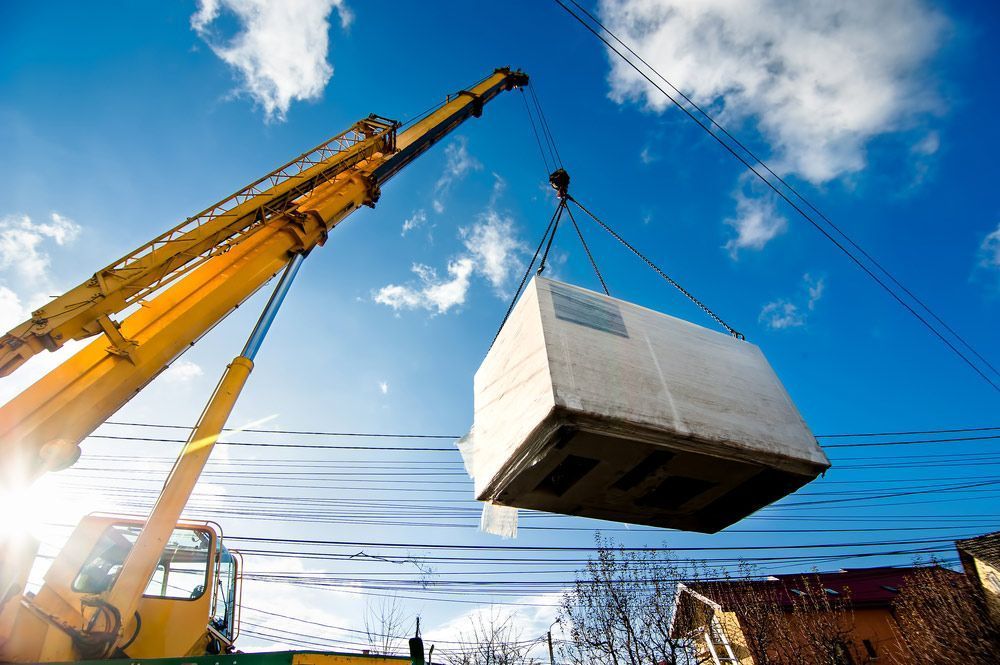
One of the most significant cost drivers is the size and lifting capacity of the crane required for the job. In simple terms, the heavier or more complex the lift, the larger the crane needed, and the higher the hire rate.
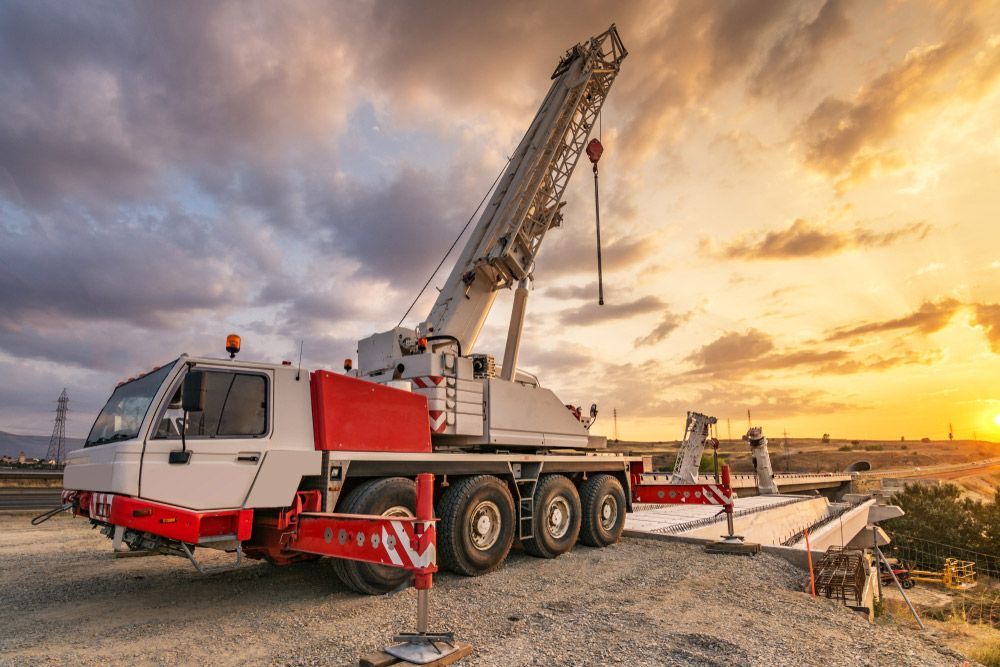
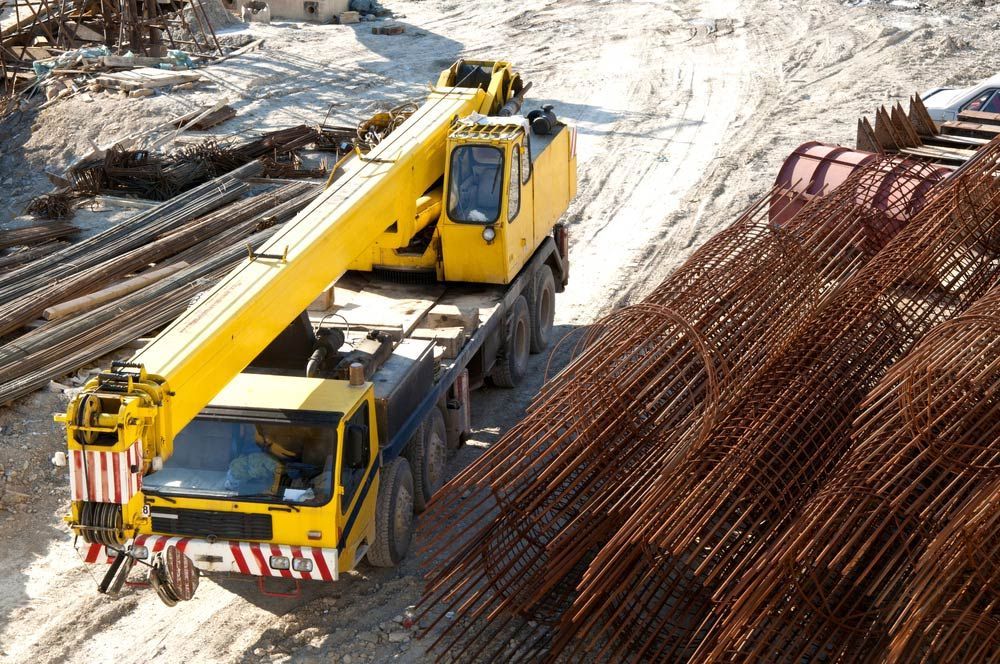
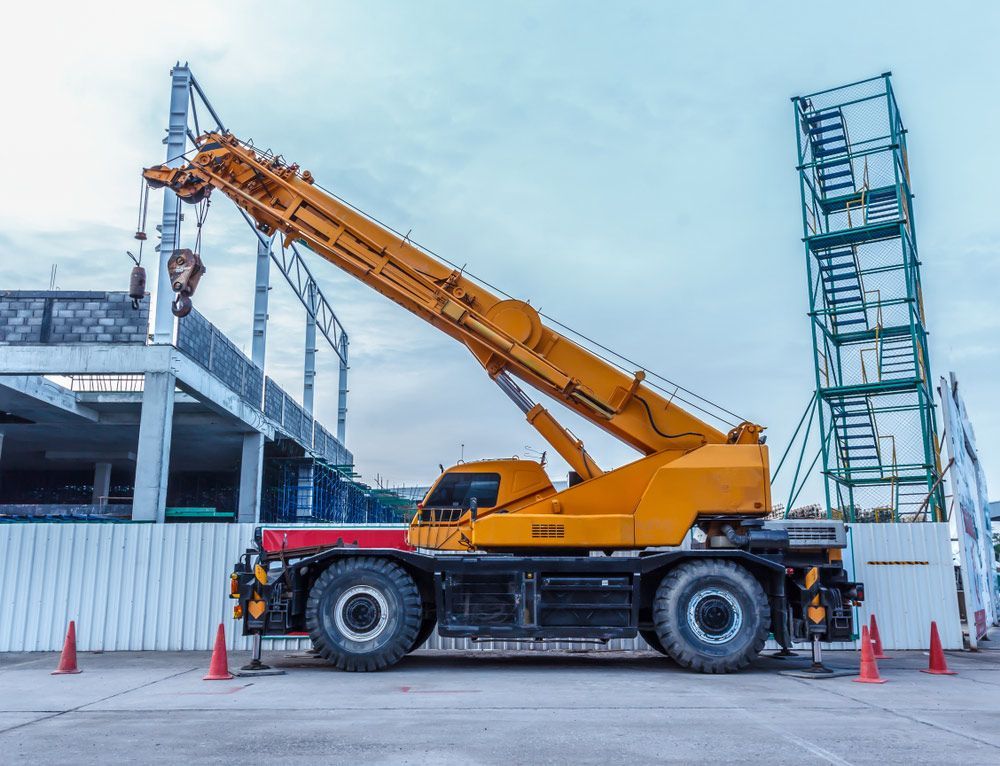
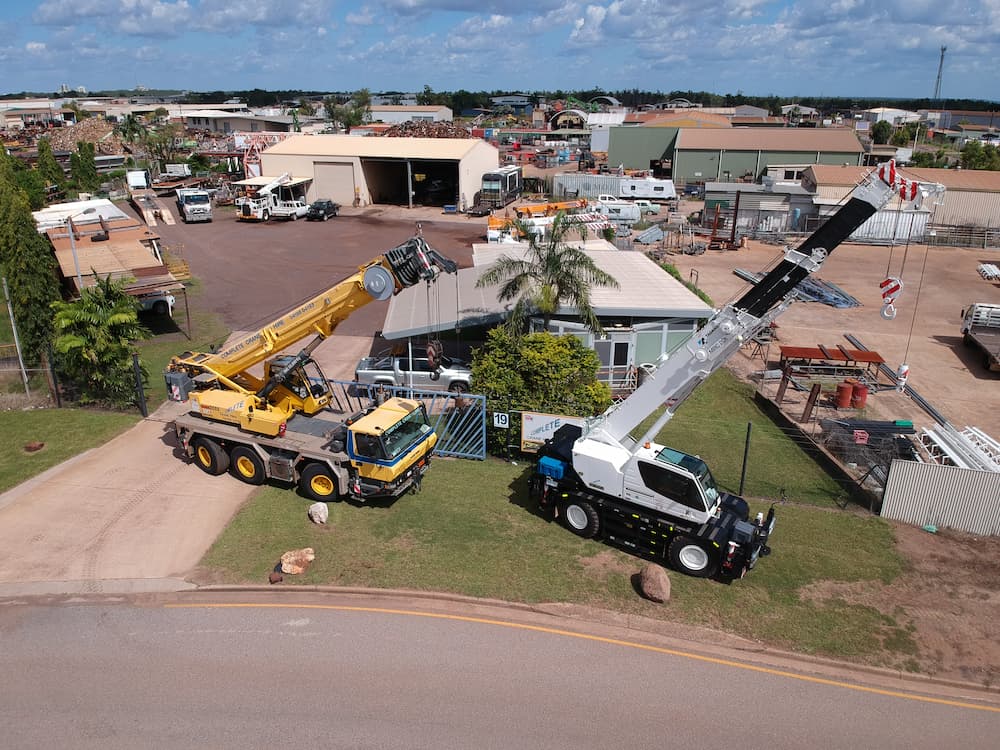
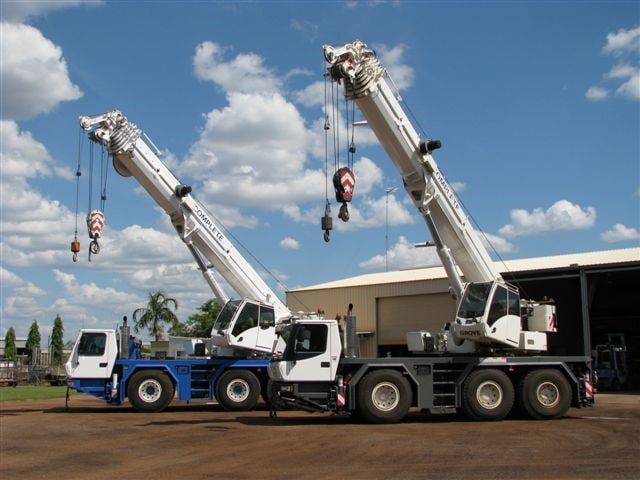
Smaller mobile cranes are typically used for residential or light commercial work, while large all-terrain cranes are required for structural steel, precast panels or industrial equipment.
Typical considerations include:
- Load weight and lift radius
- Height of lift and reach requirements
- Ground conditions and set-up space
- Whether multiple lifts are required in sequence
In Darwin, many commercial and industrial sites require higher-capacity cranes due to wide-span construction and heavy-duty infrastructure work. That demand for larger plant directly influences overall hire costs.
Wet Hire vs Dry Hire Arrangements
Whether the crane is supplied with an operator and crew or hired on a dry basis has a direct impact on pricing and risk allocation.
Wet hire generally includes:
- Crane with qualified operator
- Dogman or rigger support where required
- Fuel and basic operational costs
- Compliance with lift planning and site requirements
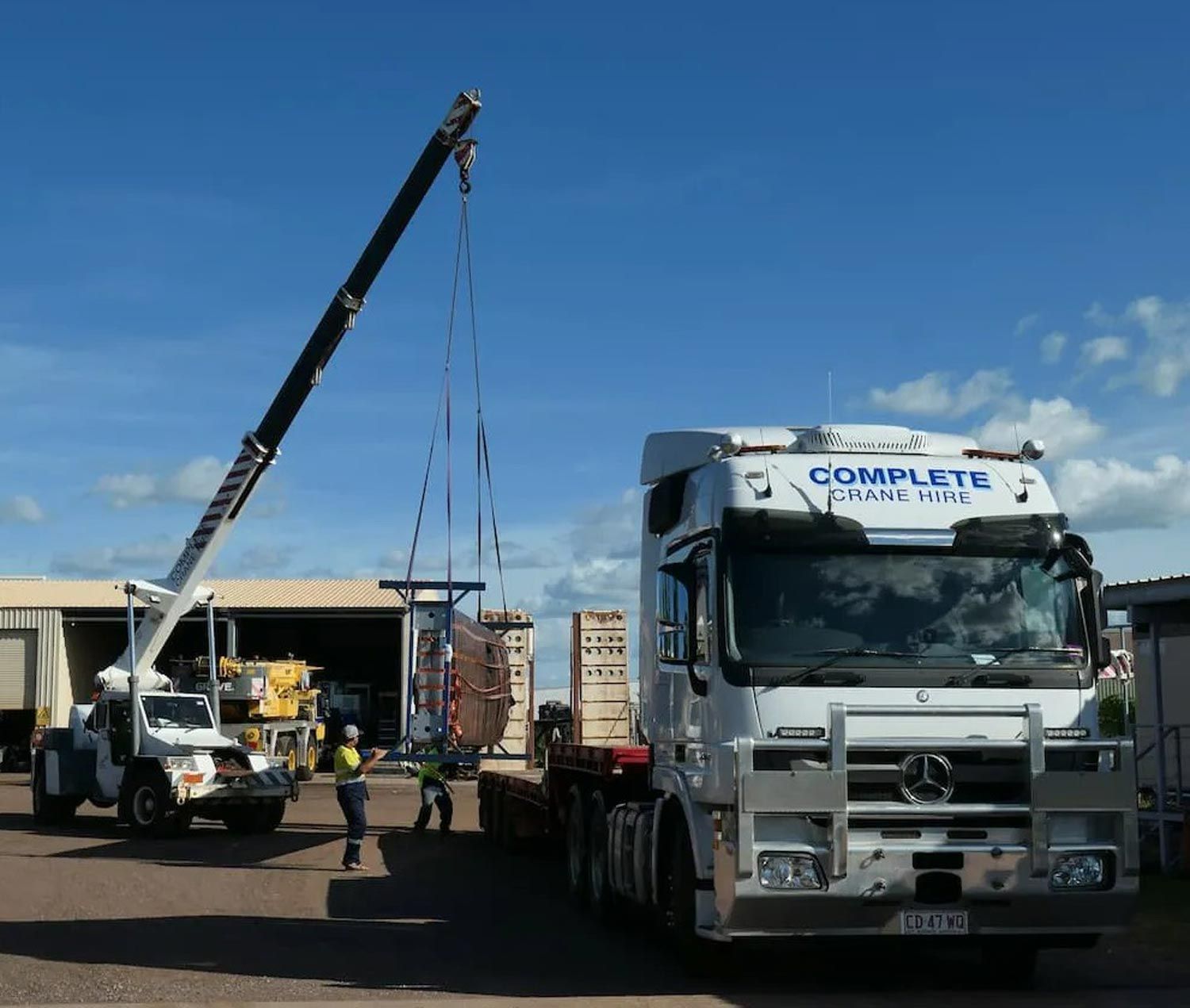
Dry hire is less common in crane operations but may be used by larger contractors who already have qualified operators and rigging personnel on staff. In these cases, the client takes responsibility for operation, compliance and coordination.
In Darwin’s construction environment, wet hire is more common due to site safety requirements, remote logistics and the need for fully managed lift solutions. This tends to streamline compliance but increases the overall hire cost compared to dry arrangements.
Duration of Hire and Minimum Call-Out Periods
Crane hire in Darwin is often structured around minimum engagement periods rather than simple hourly rates. Even short lifts typically attract a minimum charge that covers mobilisation, set-up and demobilisation.
Key factors include:
- Half-day or full-day minimums depending on crane size
- Multi-day hire discounts for longer projects
- Standby time during site delays or sequencing issues
- Extended hire for staged construction works
Scheduling efficiency plays a large role in pricing. If a crane is mobilised to a remote or regional site, it is often more cost-effective to keep it on hire for consecutive workdays rather than return it to base between lifts.
Mobilisation, Travel and Remote Site Access
Mobilisation is one of the most overlooked components of crane hire costs. Darwin projects can range from tightly controlled urban construction sites through to remote industrial or mining locations requiring significant travel.
Mobilisation costs may include:
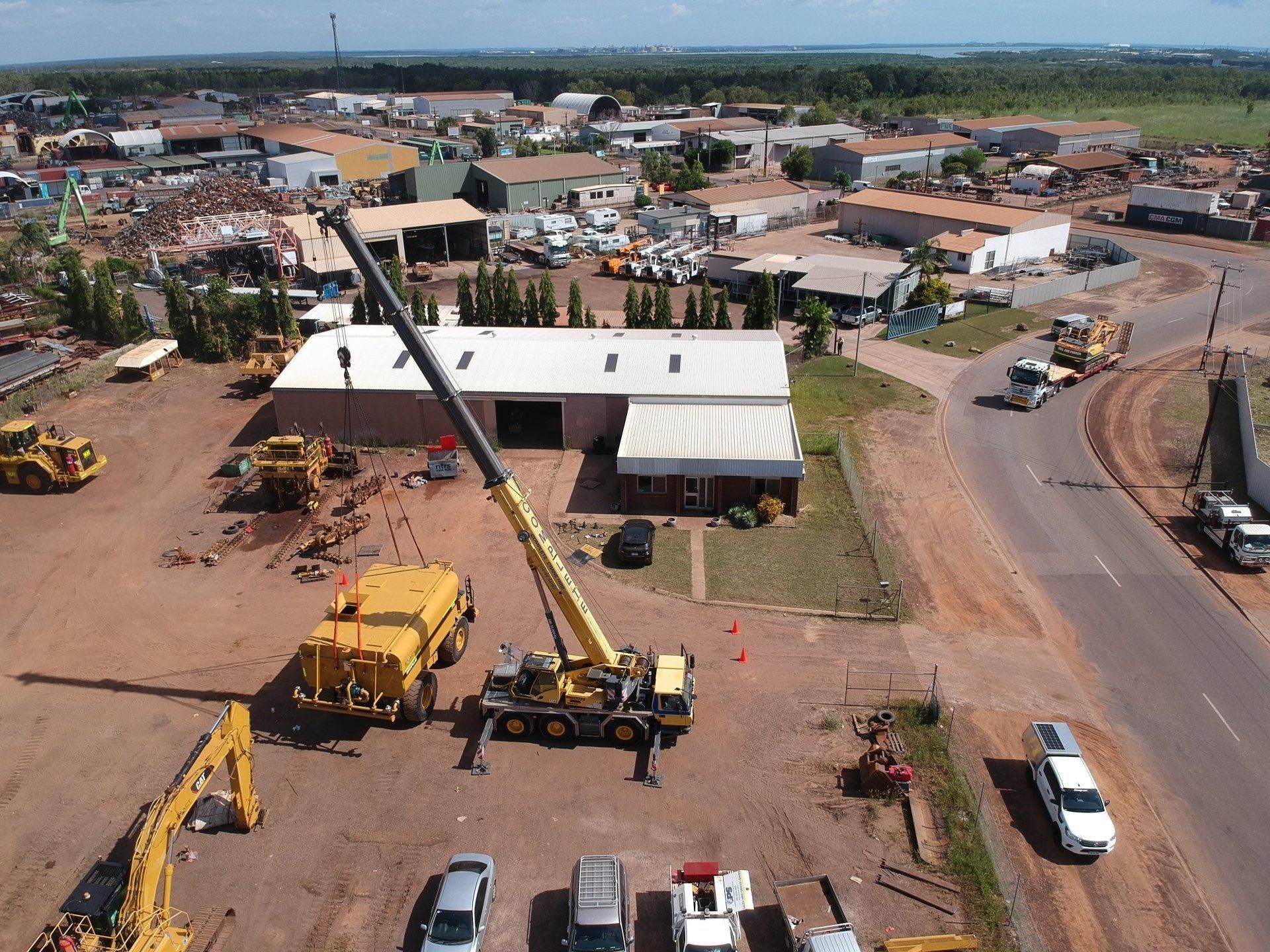
- Transporting the crane to and from site
- Pilot vehicles for oversized loads
- Accommodation and travel for crew if required
- Additional fuel and wear for long-distance movements
Remote access projects outside Darwin often require forward planning due to limited infrastructure and long travel distances. This can increase lead times and affect overall budgeting, especially for short-duration lifts where mobilisation forms a larger proportion of total cost.
Crew Requirements: Operators, Dogmen and Riggers
A crane does not operate in isolation. Safe lifting operations require appropriately qualified personnel, and the composition of the crew directly affects cost.
Depending on the lift, a job may require:
- Crane operator (always required for wet hire)
- Dogman for load control and slinging
- Rigger for complex structural lifts
- Spotters or additional safety personnel on larger sites
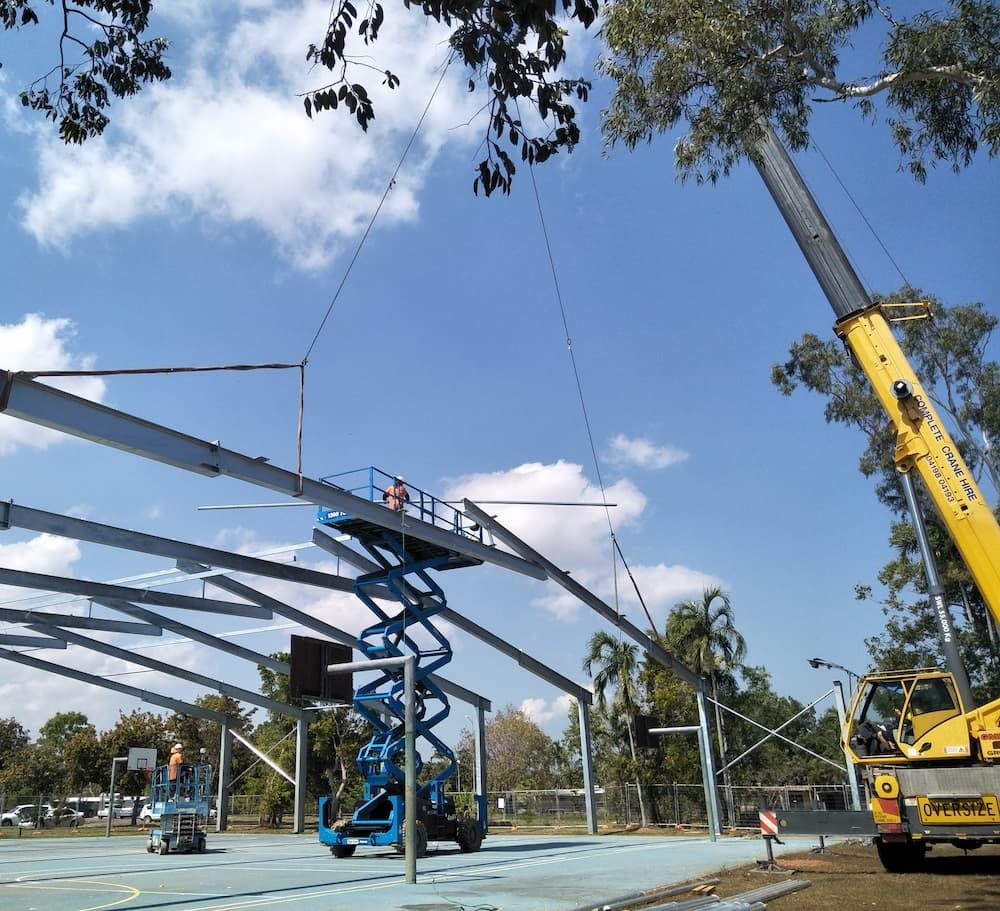
More complex lifts, such as precast concrete installation or steel erection, often require multiple crew members working in coordination. This increases labour input but ensures compliance with safety standards and lift planning requirements.
In Darwin, where many projects involve industrial and marine infrastructure, crew requirements are often higher due to environmental and site complexity.
Site Conditions and Lift Complexity
No two sites are the same, and conditions on the ground play a major role in determining crane hire pricing. Even a straightforward lift can become more complex depending on access, surface stability and surrounding hazards.
Factors that influence cost include:
- Soft or unstable ground requiring mats or outrigger support
- Limited access for crane positioning
- Working near live services or operational facilities
- Tight urban sites requiring precision lifts
Darwin’s wet season can also affect ground conditions significantly. Saturated soil or flooding risks may require additional planning, alternative scheduling or temporary ground reinforcement, all of which can influence project cost and timing.
Weather, Seasonality and Scheduling in Darwin
Weather is a practical consideration that directly affects crane availability and cost in the Northern Territory. The wet season, in particular, can disrupt construction timelines and require flexible scheduling.
Cost-related impacts include:
- Weather delays leading to standby time
- Re-scheduling mobilisation due to site access issues
- Reduced availability during peak construction periods
- Increased planning requirements for storm events
Projects that are tightly scheduled around seasonal conditions may require contingency planning, which can influence overall crane hire budgeting even before work begins.
After-Hours, Emergency and Priority Call-Outs
Not all crane work happens within standard operating hours. Some lifts are required urgently or must occur outside normal site hours due to operational constraints.
These scenarios often involve:
- After-hours or weekend call-outs
- Emergency lifting for breakdowns or critical infrastructure
- Night works in operational industrial environments
- Accelerated mobilisation requirements
Because these jobs require rapid coordination of equipment and crew, they typically attract higher rates than scheduled daytime work. In Darwin, this is particularly relevant for mining, marine and industrial clients where downtime has operational impacts.
Final Perspective on Crane Hire Costs in Darwin
Crane hire pricing in Darwin is ultimately shaped by the interaction between equipment size, site conditions, labour requirements and logistics. Rather than a fixed figure, it is a structured calculation based on real operational inputs.
For project managers and supervisors, the most accurate approach is not to look for a single price point but to understand how each of these elements applies to their specific lift. That clarity allows for more reliable budgeting and fewer disruptions once work is underway.
Start Your Crane Hire Booking Today
We at Complete Crane Hire (NT) Pty Ltd work with construction, industrial and commercial teams across Darwin and the wider Northern Territory to deliver crane solutions that match the real conditions of each site, whether that involves remote mobilisation, wet hire lifting or complex structural installs.
If you are planning a lift and need clear, practical guidance on crane hire costs for your project in Darwin or surrounding regions, get in touch with our team to discuss your scope and schedule a job with confidence.